Culture
Patina of Time: The Ageing Aesthetic and Why Imperfection Matters
2025
·by KURA Editorial
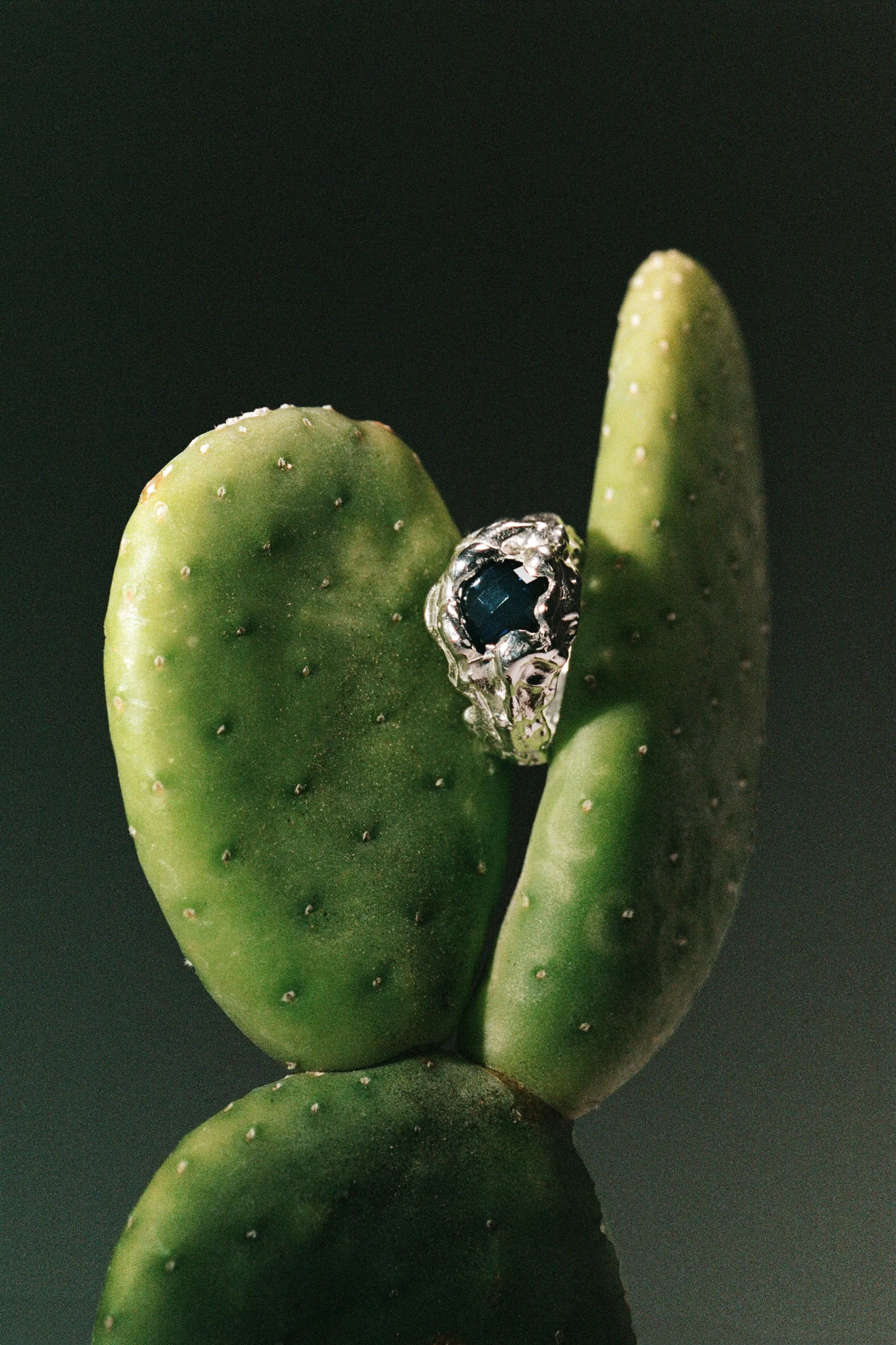
We have been trained to see wear as failure. But patina is the autobiography of an object.
There is a concept in Japanese aesthetics called wabi-sabi: the beauty of things that are imperfect, impermanent, and incomplete. A similar sensibility exists across many craft traditions, though it is rarely named. A brass vessel that has darkened with use is not considered old. It is considered seasoned. A textile that has softened through washing is not worn out. It has arrived. This issue of the KURA Journal explores the philosophy of ageing in design, and why the pursuit of the "new" may be the most impoverished aesthetic position of all.
Against the disposable
The disposable object is designed not to be noticed. It serves its function and disappears. The enduring object, by contrast, demands attention. It changes. It develops character. It asks to be repaired rather than replaced. KURA exists because we believe in the second kind of object. Every brand we carry makes things intended to last, and by lasting, to tell a story.
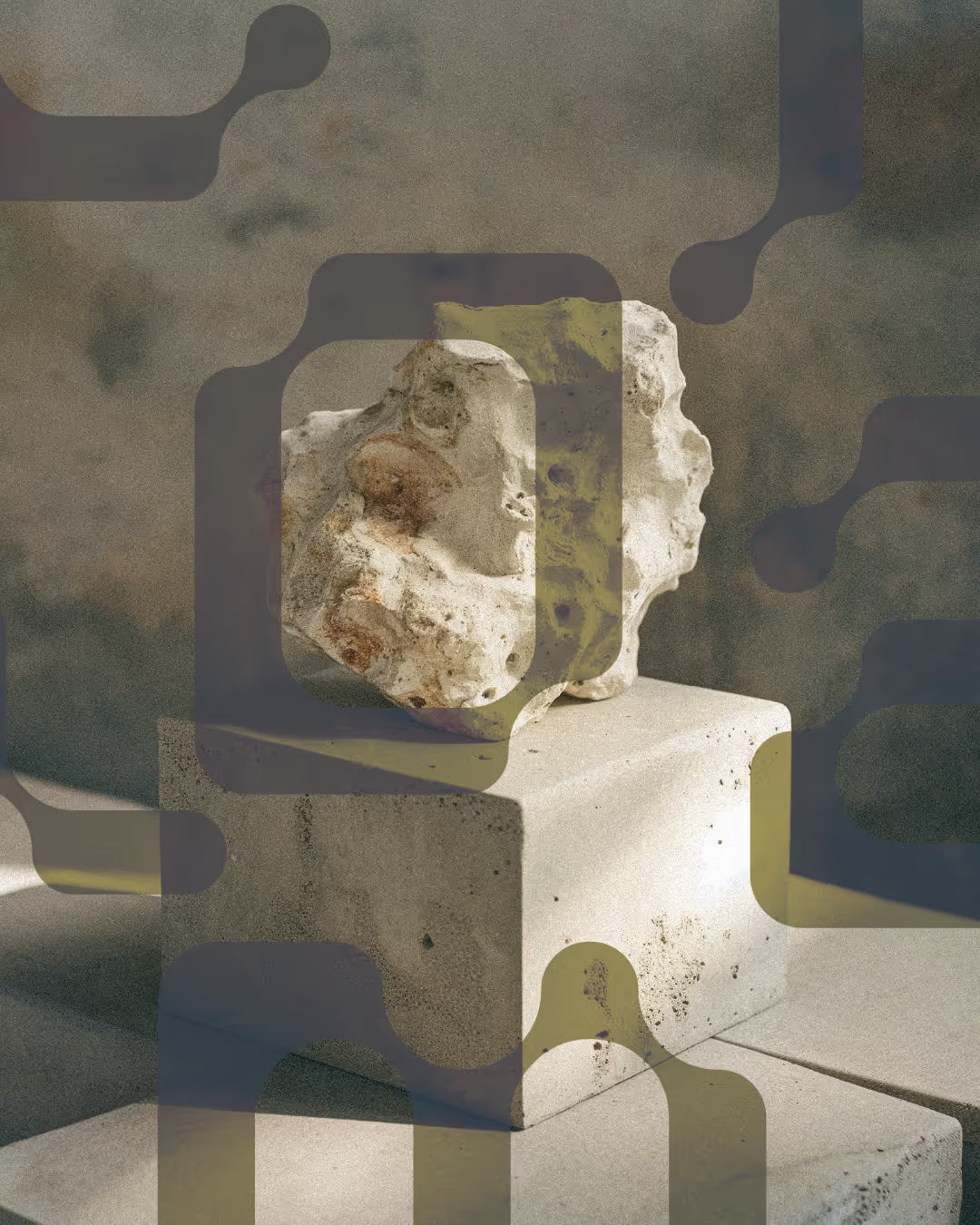
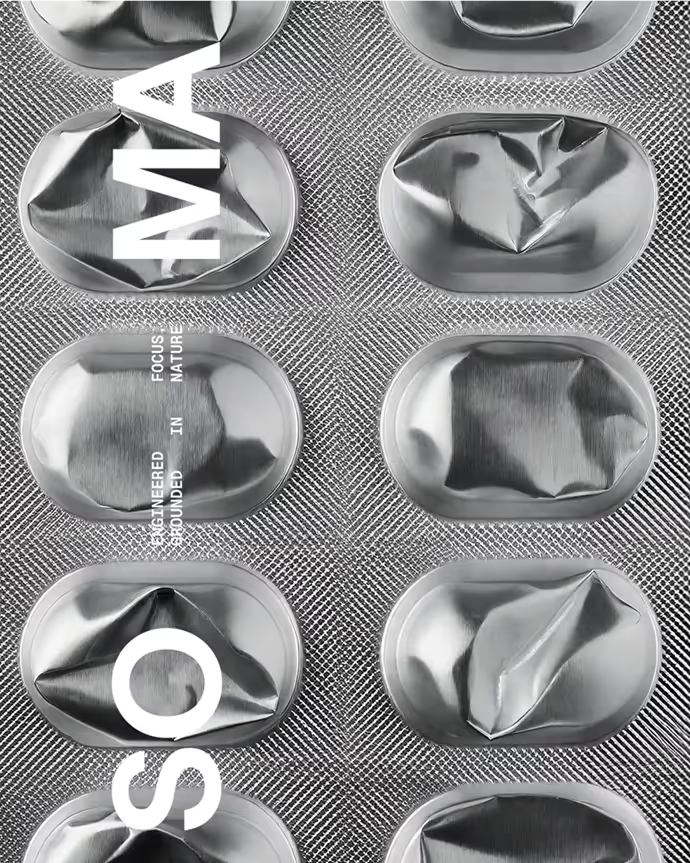

We have been trained to see wear as failure. But patina is the autobiography of an object.
The beauty of use
A leather bag that has moulded to its owner's habits. A pair of earrings whose surface has softened from the oils of the skin. A wooden bowl whose grain has deepened through daily washing. These are not defects. They are the marks of a life lived in proximity to well-made things.
by KURA Editorial
Share