Fashion
Between Loom and Land: How Independent Weavers Are Redefining Global Fashion
2025
·by KURA Editorial
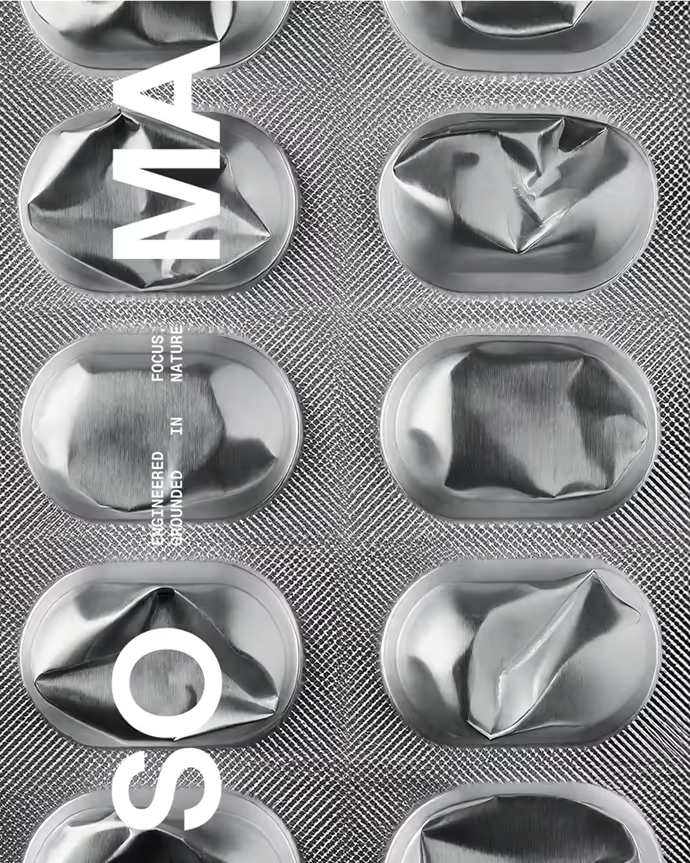
The loom is not separate from the landscape. The same earth that colours the clay colours the thread.
In workshops from Portugal to Peru, weaving is not an industry. It is a practice embedded in daily life, shaped by seasons, traditions, and the rhythms of community. For centuries, these artisans produced textiles that circulated locally. Today, their work is sought by fashion houses across the world. This shift has not been without tension. The demand for "authentic" craft often comes with expectations that flatten the complexity of the work. But a new generation of designers, many trained in both traditional and contemporary methods, is negotiating this terrain with care.
Tradition as a living practice
The makers behind the brands we carry do not see tradition as static. Their patterns evolve. Their colour palettes respond to what is available in a given season. The idea that craft must remain unchanged to be "authentic" is a misunderstanding that benefits the market, not the maker. At KURA, we support this dynamism. Our brand partners invest in workshops where traditional techniques are taught alongside contemporary design thinking. The result is a textile vocabulary that honours its origins while speaking to global audiences.
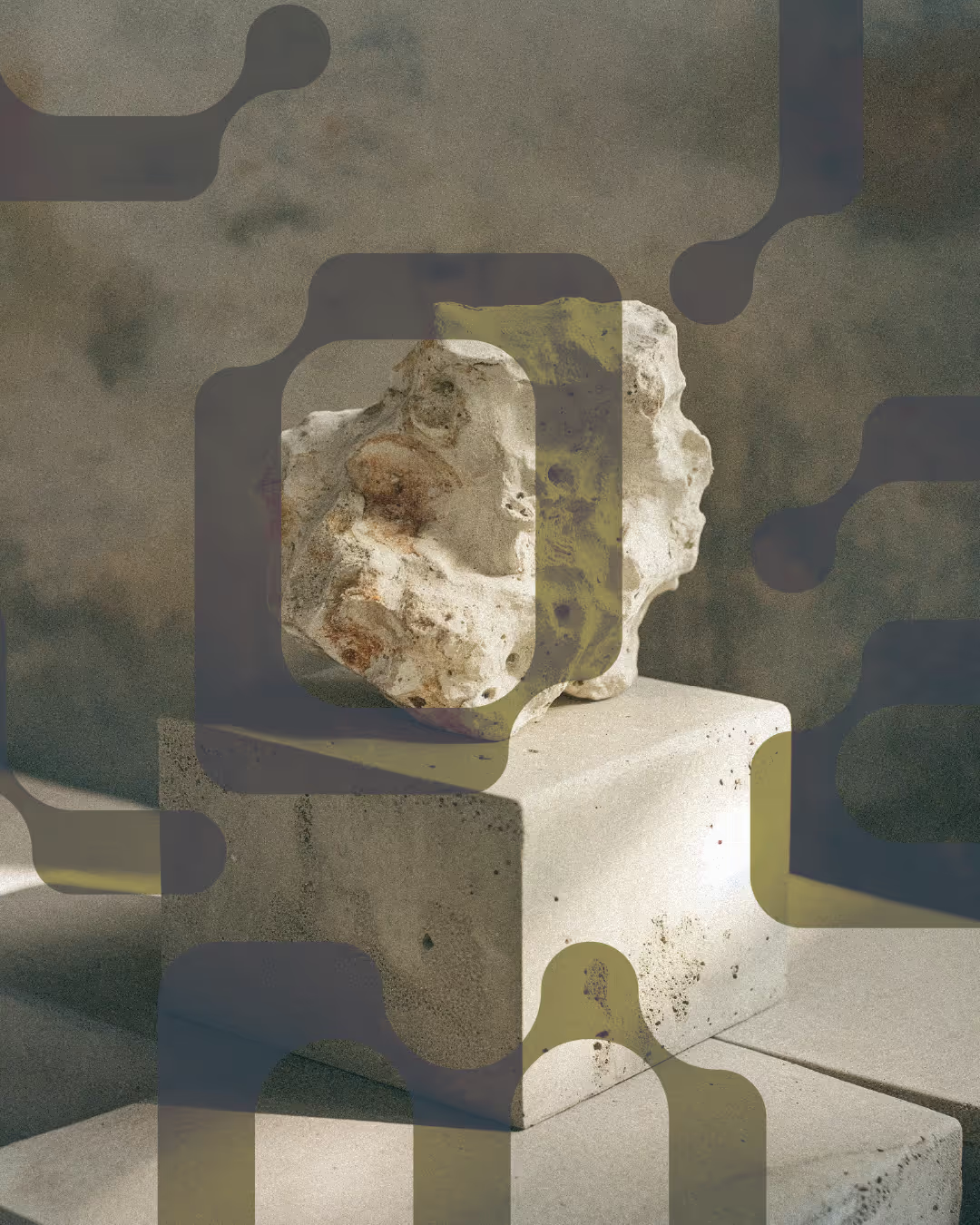

The loom is not separate from the landscape. The same earth that colours the clay colours the thread.
Beyond the commodity
What distinguishes artisanal production from industrial imitation is not merely technique. It is relationship. The weaver knows the thread. The thread knows the loom. The garment that emerges from this relationship carries information that cannot be replicated by a factory, however advanced. This is not romanticism. It is a material fact.
by KURA Editorial
Share